MUSIC: IN PROGRESS 💎
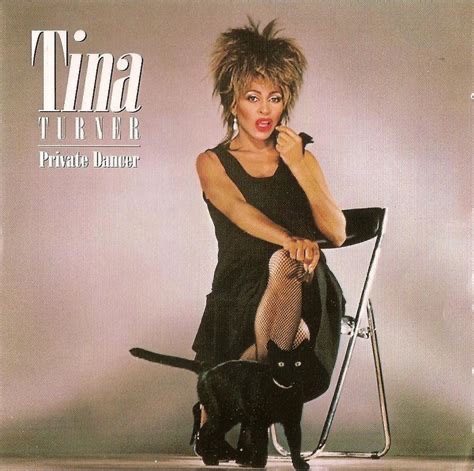
Judge : I want you to be very sure about this. It means you’re going to walk out of here with absolutely nothing.
Tina Turner : Except my name. I’ll give up all that other stuff, but only if I get to keep my name. I’ve worked too hard for it, your Honor.
— from the film “What’s Love Got to Do With It”
CLICK THE COVER ART FOR THE PURCHASE LINK

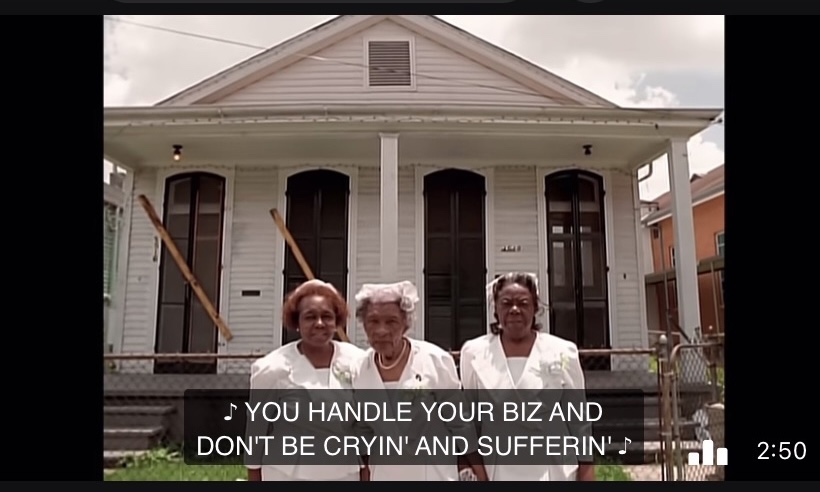
A twitter debate about 400 Degreez vs Reasonable Doubt made me remember both New Orleans and NYC before gentrification. I have a new essay about it for Burnaway’s 2023 Reader: Where I’m Calling From.
Storms, Shakespeare, Juvenile’s “Ha” and a consideration of Simone Leigh’s, Loophole of Retreat Symposium at the Venice Biennale. In it, I’m also thinking through Black artists, writers, thinkers, etc. from below the Mason Dixon Line’s influence on popular culture and contemporary art, —how we show up and when we don’t , and the implications of it all.
On IG live later this week, Thursday, March 30 12:30 CST/ 1:30 EST with MATOU, IMAN PERSON to talk more about Black sonic technologies❤️🔥.

Idk, might write a part 2 for the streets 🔥🔥🔥
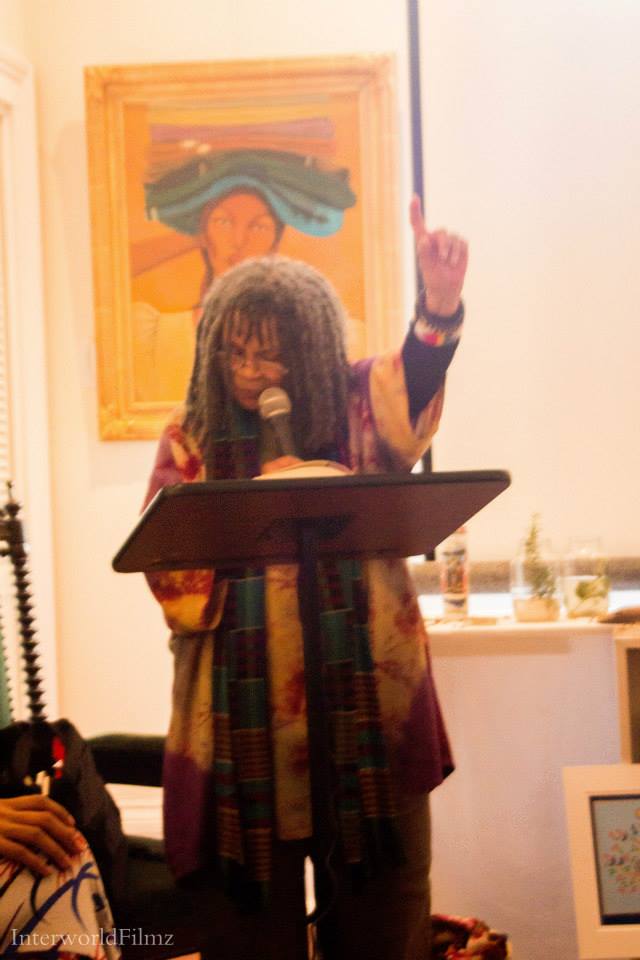
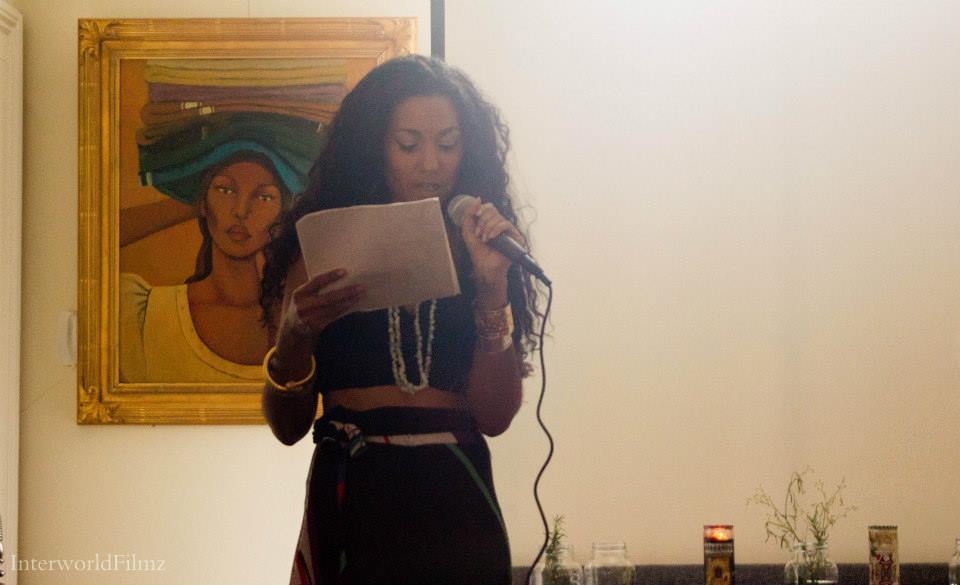
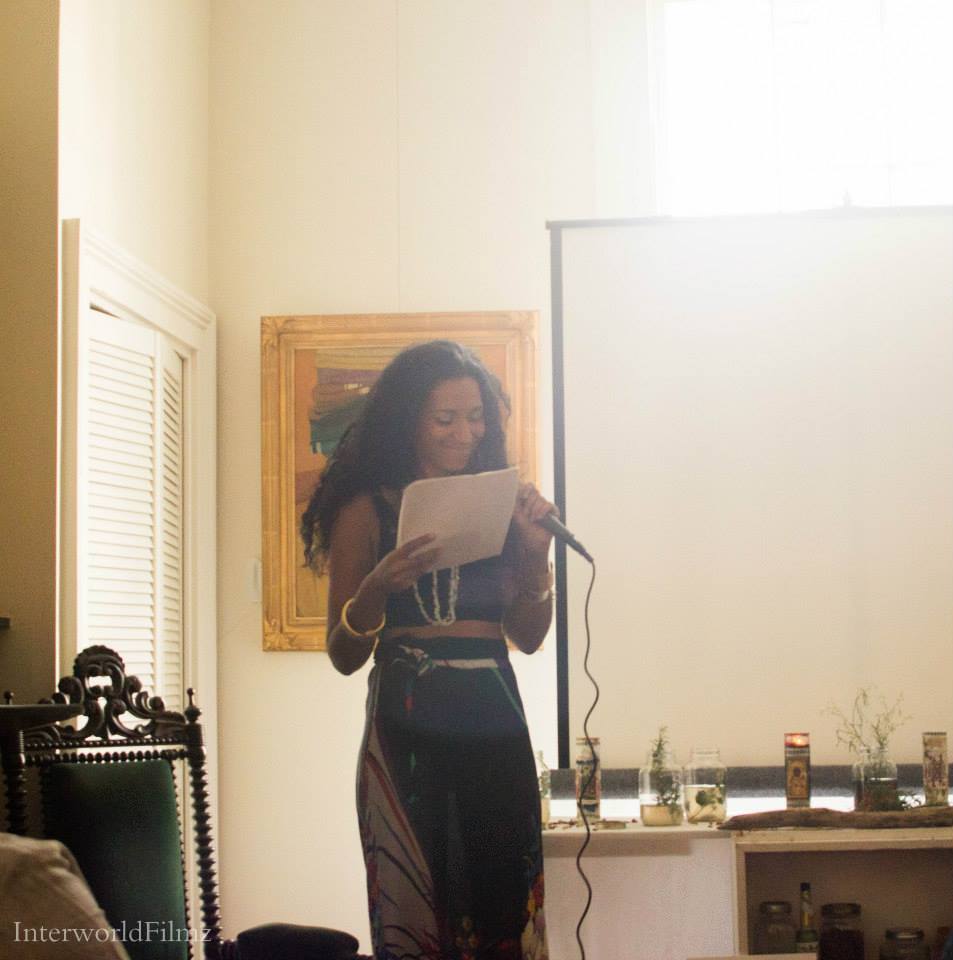
I read “A SIDE: BLACK, B SIDE: EARTH” only once in public, back in 2015 with the women in Mixed Company and SONIA SANCHEZ! It was early in my public altar making practice and I still love these handmade and painted candles, probably the most out of anything I have ever done. Whenever I get down I remember there is magic in hands and in the word.

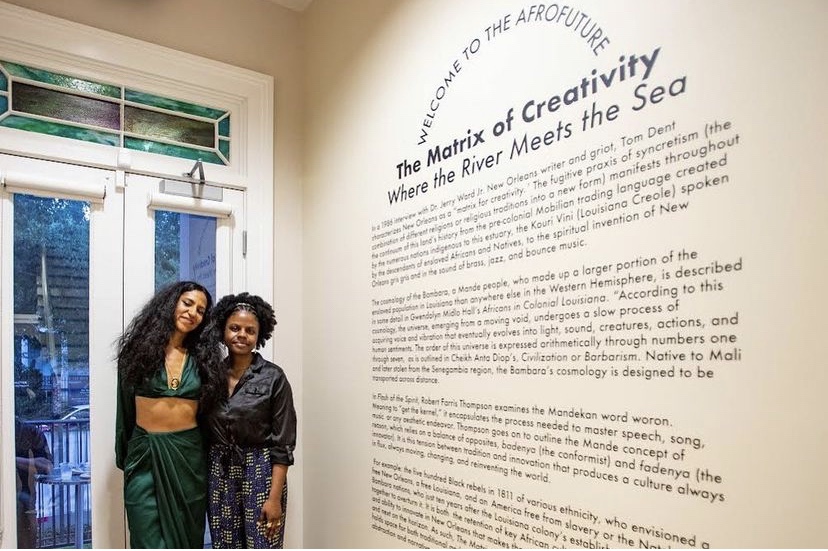
Welcome to the AfroFuture:
The Matrix of Creativity: Where the River Meets the Sea
curatorial statement
In a 1986 interview, Dr. Jerry Ward Jr. in conversation with New Orleans writer and griot, Tom Dent, characterizes New Orleans as a “matrix for creativity.”
The fugitive praxis of syncretism ( the combination of different religions or religious traditions into a new form) manifests throughout the continuum of this land’s history from the pre-colonial Mobilian trading language created by the numerous nations indigenous to this estuary, the Kouri Vini (Louisiana Creole) spoken by the descendants of enslaved Africans and Natives, to the spiritual invention of New Orleans gris gris and in the sound of brass, jazz, and bounce music.
The cosmology of the Bambara, a Mandé people, who made up a larger portion of the enslaved population in Louisiana than anywhere else in the Western Hemisphere, is described in some detail in Gwendolyn Midlo Hall’s Africans in Colonial Louisiana. “According to this cosmology, the universe, emerging from a moving void, undergoes a slow process of acquiring voice and vibration that eventually evolves into light, sound, creatures, actions, and human sentiments. The order of this universe is expressed arithmetically through numbers one through seven, as is outlined in Cheikh Anta Diop’s, Civilization or Barbarism. Native to Mali and later stolen from the Senegambia region, the Bambara’s cosmology is designed to be transported across distance.
In Flash of the Spirit, Robert Farris Thompson examines the word Mandekan word woron. Meaning to “get the kernel,” it encapsulates the process needed to master speech, song, music, or any aesthetic endeavor. Thompson goes on to outline the Mandé concept of reason, which relies on a balance of opposites, badenya (the conformist) and fadenya (the innovator).
It is this tension between tradition and innovation that produces a culture always in flux, always moving, changing, and reinventing the world. For example: the five hundred Black rebels in 1811 of various ethnicity, who envisioned a free New Orleans, a free Louisiana, and an America free from slavery or the Natchez and Bambara nations, who just ten years after the Louisiana colony’s establishment, conspired together to overturn it. It is both the retention of key African cultural concepts and the space and ability to innovate in New Orleans that makes the city the perpetual site of what’s new and next on the horizon.
As such, The Matrix of Creativity : Where the River Meets the Sea holds space for both traditional and new interpretations of who and what constitutes the work, history, and legacy of Afrofuturism.
SHOW NOTES
Front Hall
(downstairs )


Sokari Ekine
Jameel Paulin
Dianne Baquet
•EKINE’s archives of fire and water mark a spiritual and aesthetic point of origin as well as Paulin’s African Fractals.
• Feliciane and Child, Refugee from San Domingue by Dianne Baquet grounds these ideas in the historical by evoking the arrival of Haitians to New Orleans during and following the revolution.
Back Hall
“the bright earth”

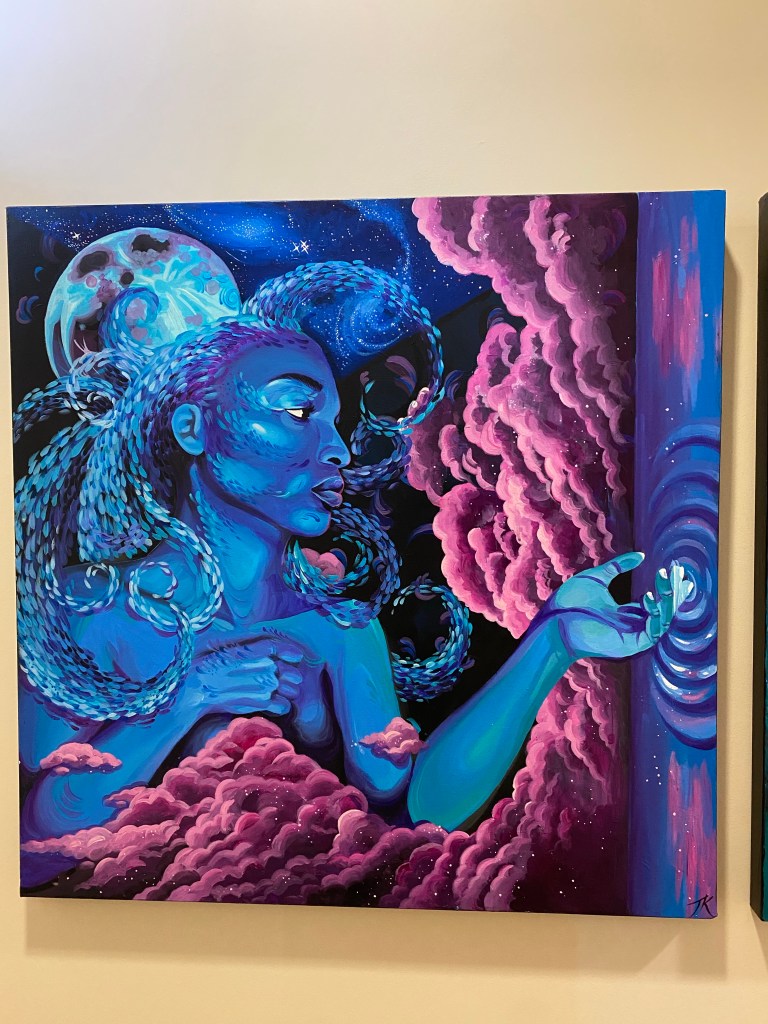

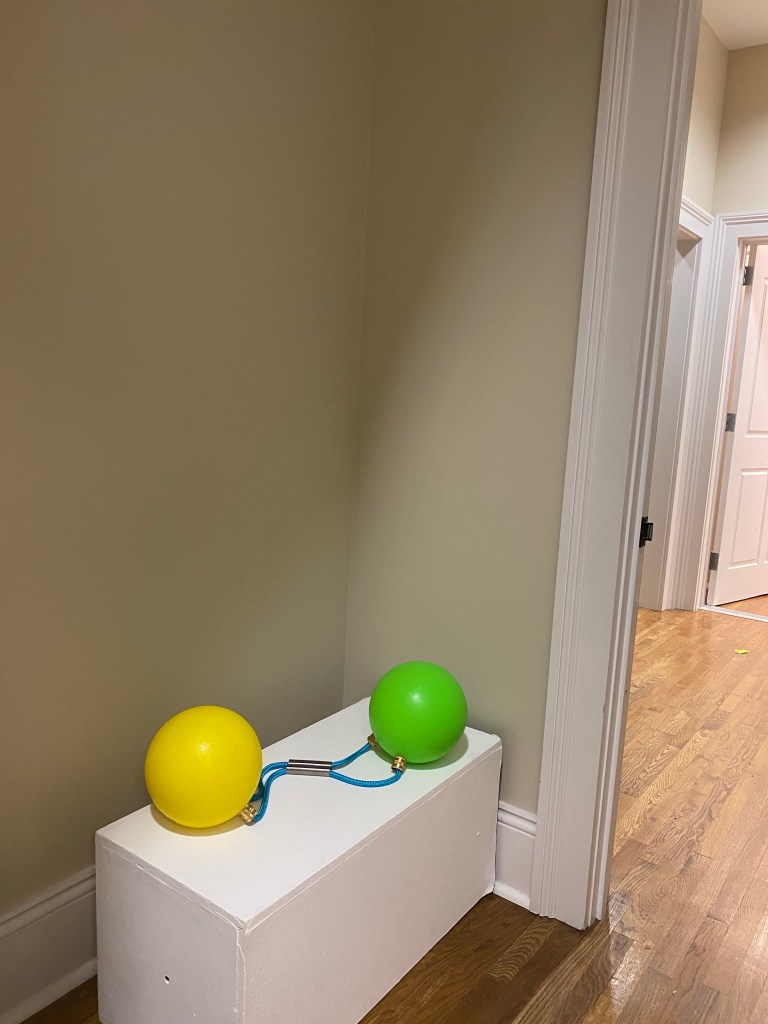

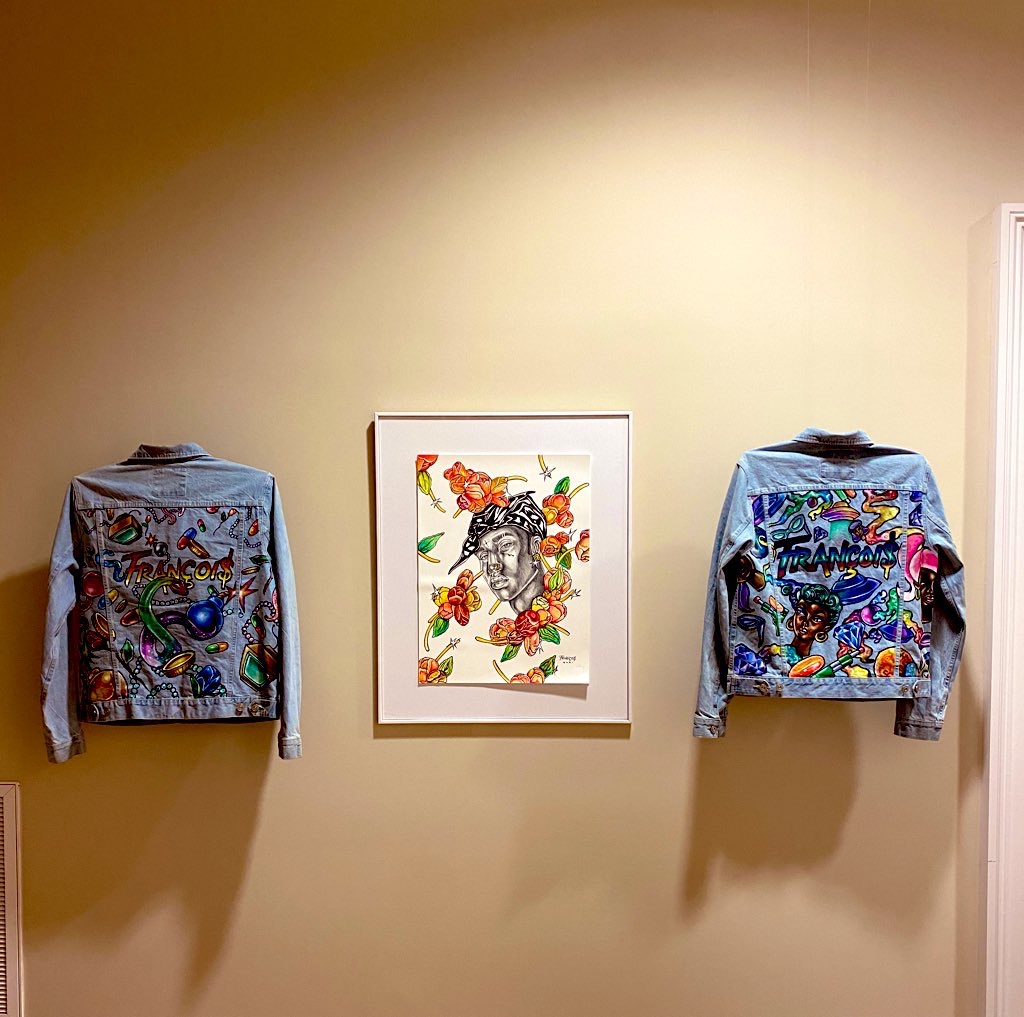
These works reflect the vibrancy of life and its complexities.
Stephen Montinar’s Hopscotch, Kriss Kross, Double Dutch the Gunshots acts as a bridge from the primordial waters into the earthly plane.
Jacq Francois’ Hot Boy Fantastic is an embodiment of the individual who carries the stories and lineages represented in the work. A kind of meeting of Civil’s masks with a contemporary diasporic lens. Francois is also of Haitian descent via New Orleans.
Nik Richard juxtaposes and correlates the regal and passionate power of both his grandmother as Carnival Queen and a recreation of the now iconographic photo portraits of Tupac Shakur.Along with Richard, Sly Watt’s unimpressed and Tatiana Kitchen’s Above and Below function as the departure point of the matrix. Reminding the viewer to consider the realms of earth, heaven and spirit present in the work and their own private and creative lives.
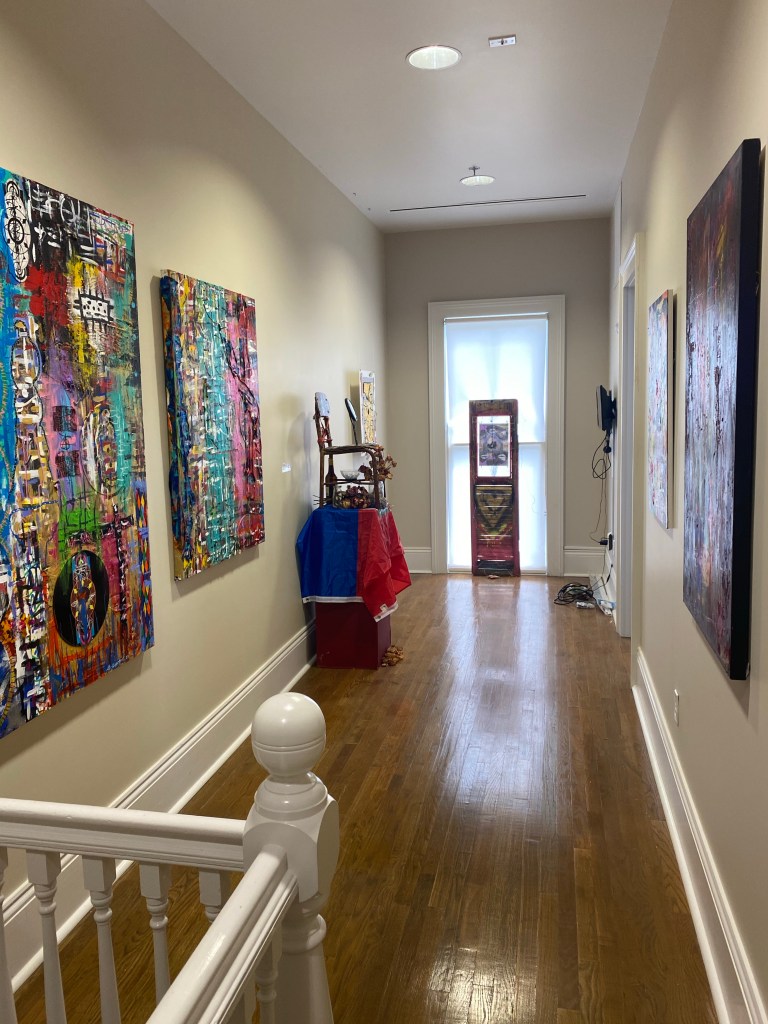
reflecting an organizing principle of Vodou , upstairs hallways have a “hot” and a “cool” side.
Upstairs
Altars
Ryann Sterling
Soraya Jean Louis
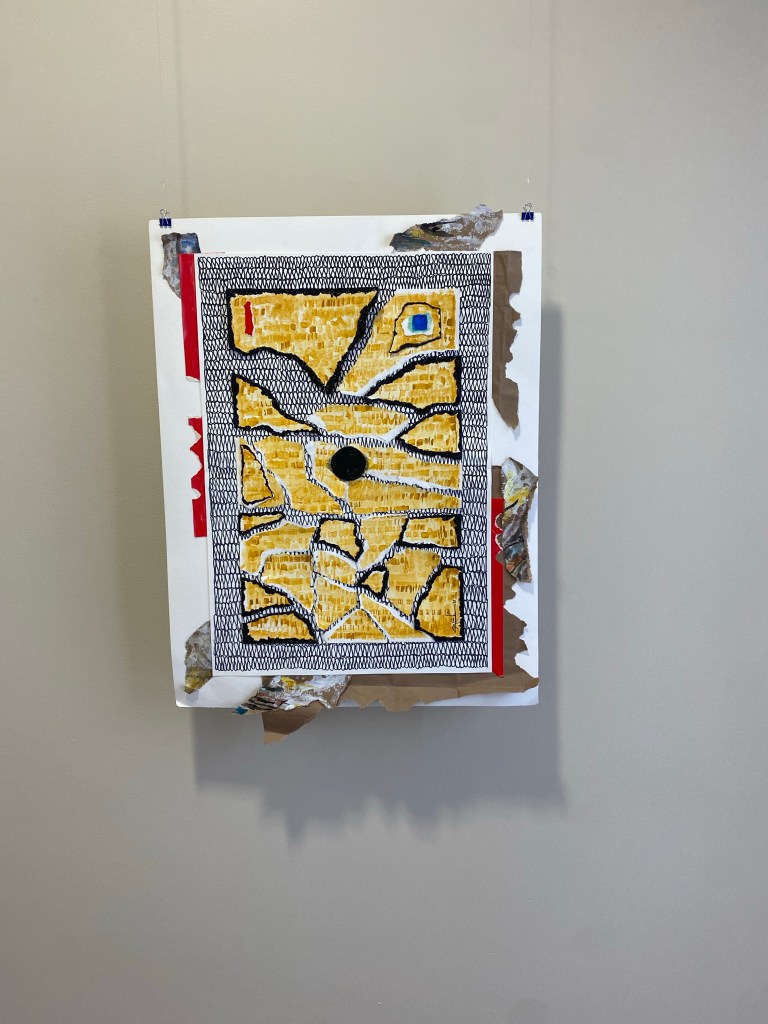

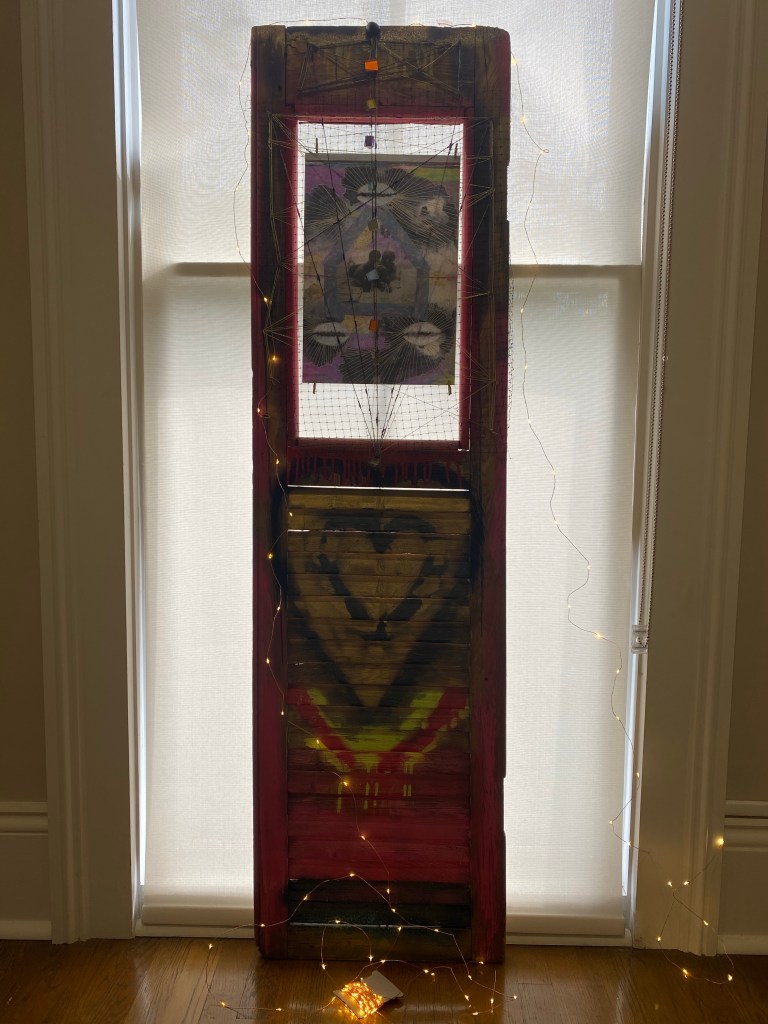
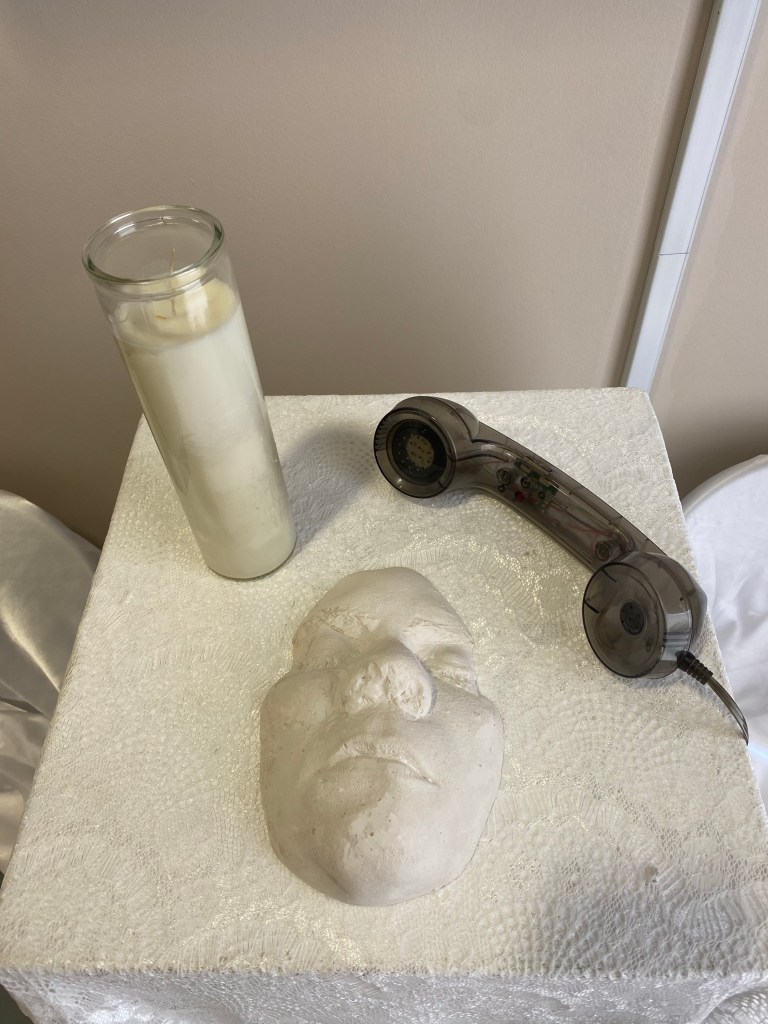

Ryann Sterling and SORAYA’s Jean Louis’ altars anchor this portion of the Matrx of Creativity. Serving as a place for and a reminder of sacred spaces’ function in the diaspora as places for worship and preservation of historical and spiritual lineage.
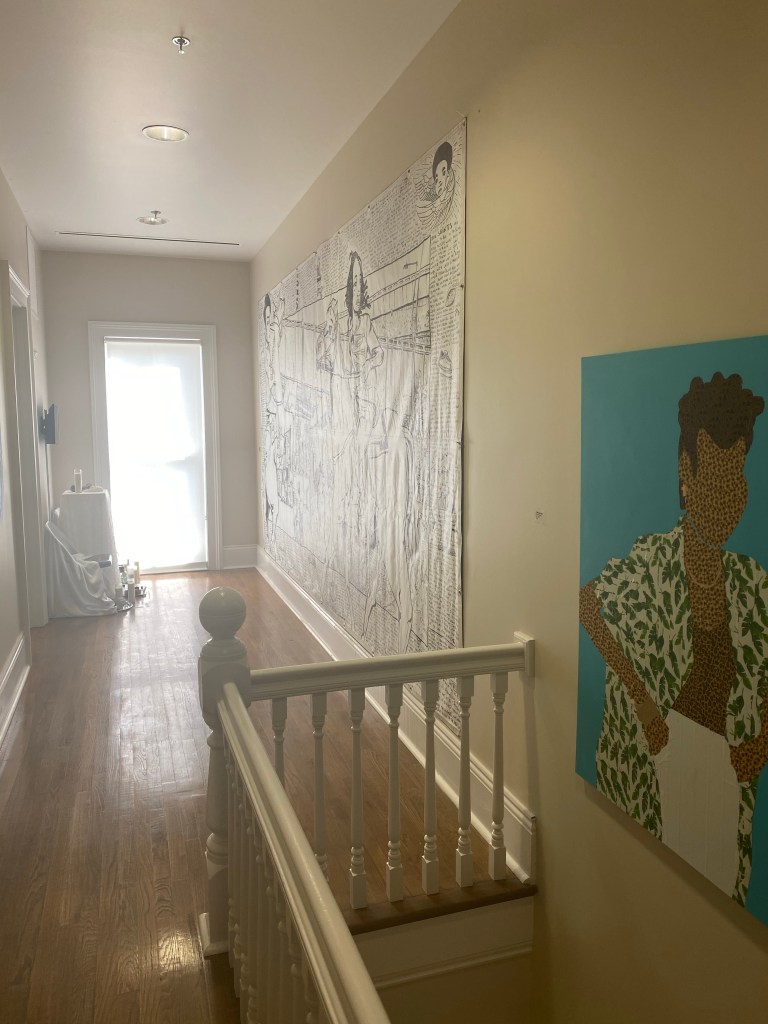
Langston Alston’s large-scale intricate work evokes the life and spirit of the city, animating and representing the physical embodiment of the work of the altars. Note the presence of archangels throughout his piece.
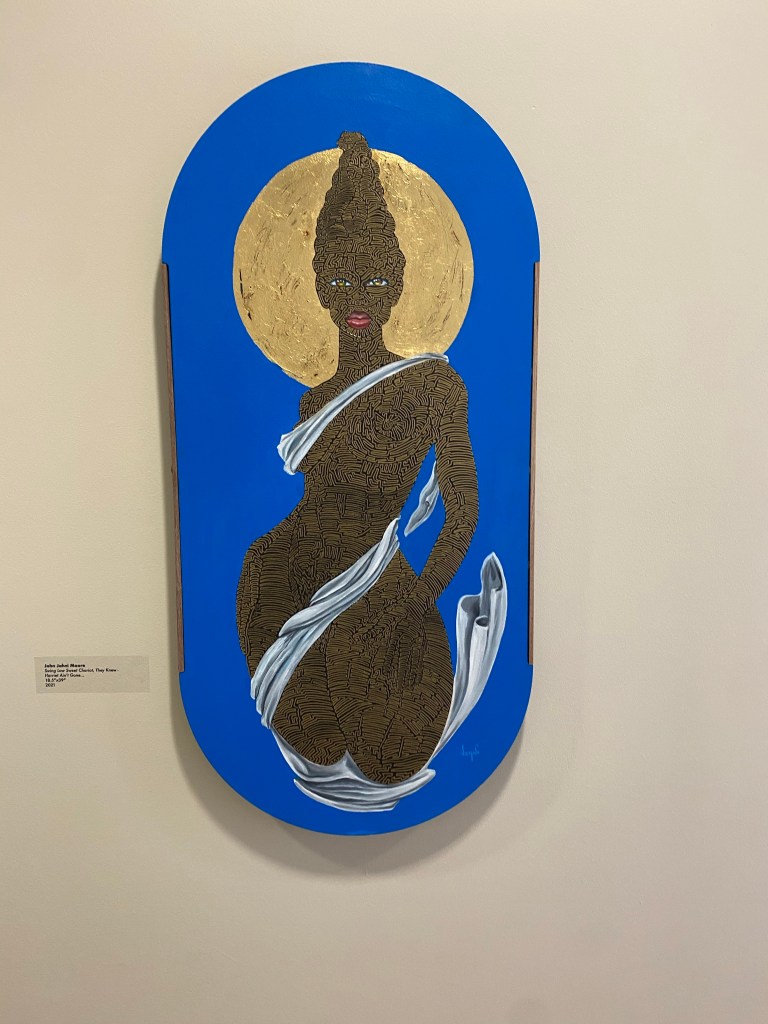
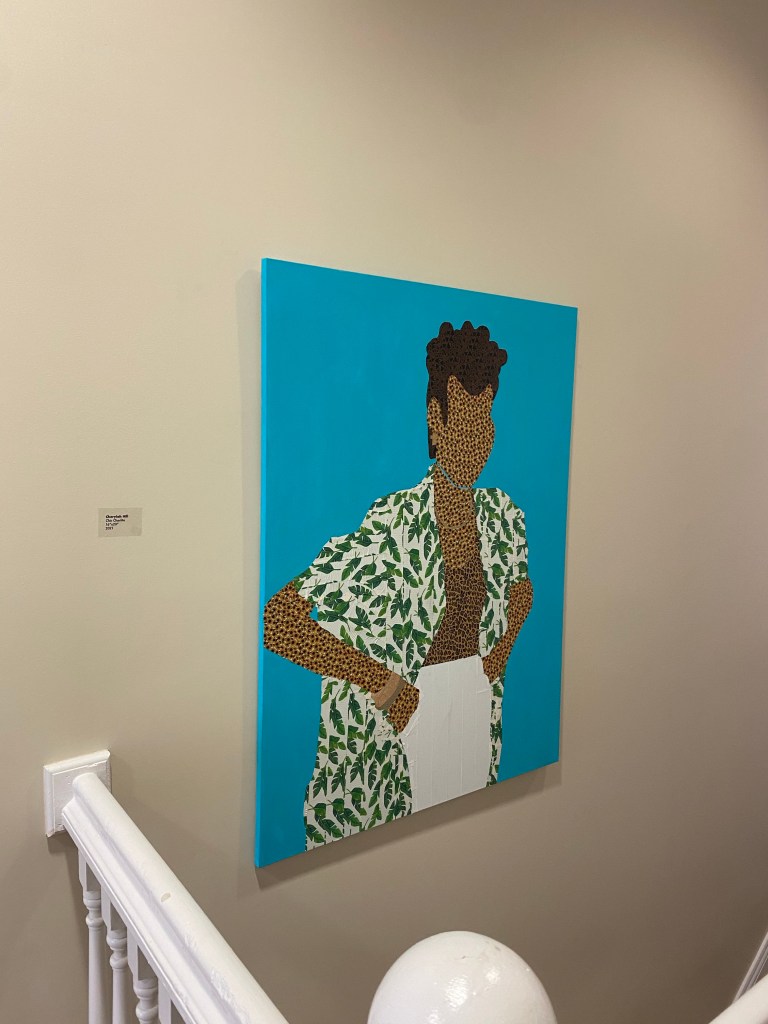
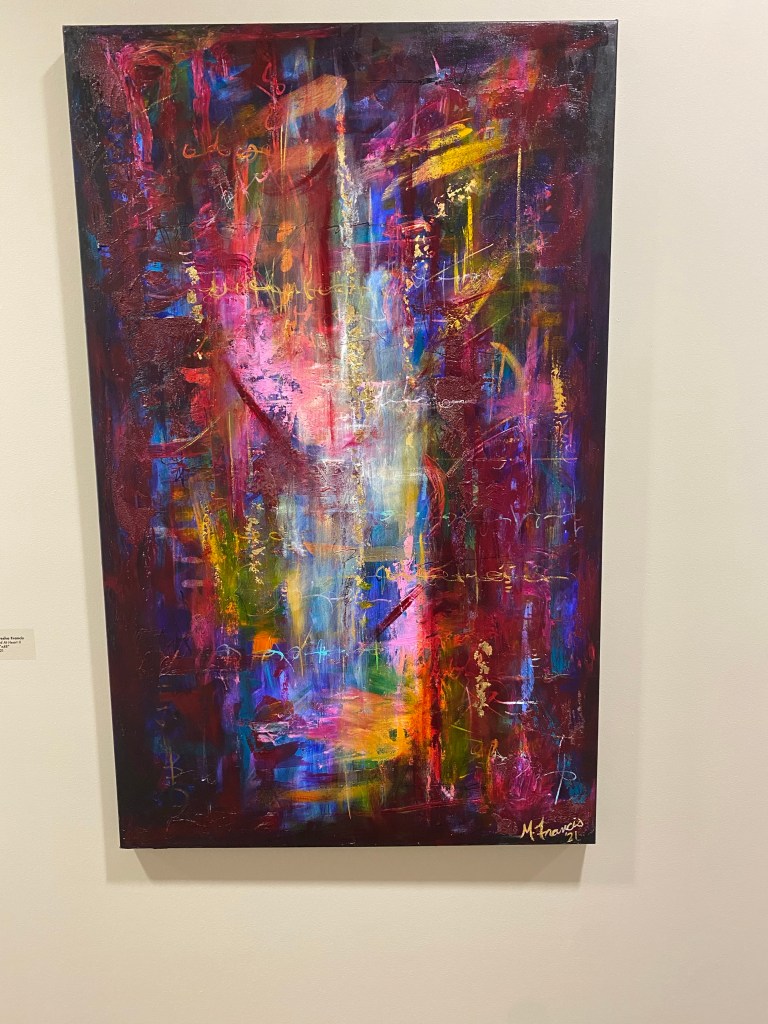
•Abstractions in Afrofuturism
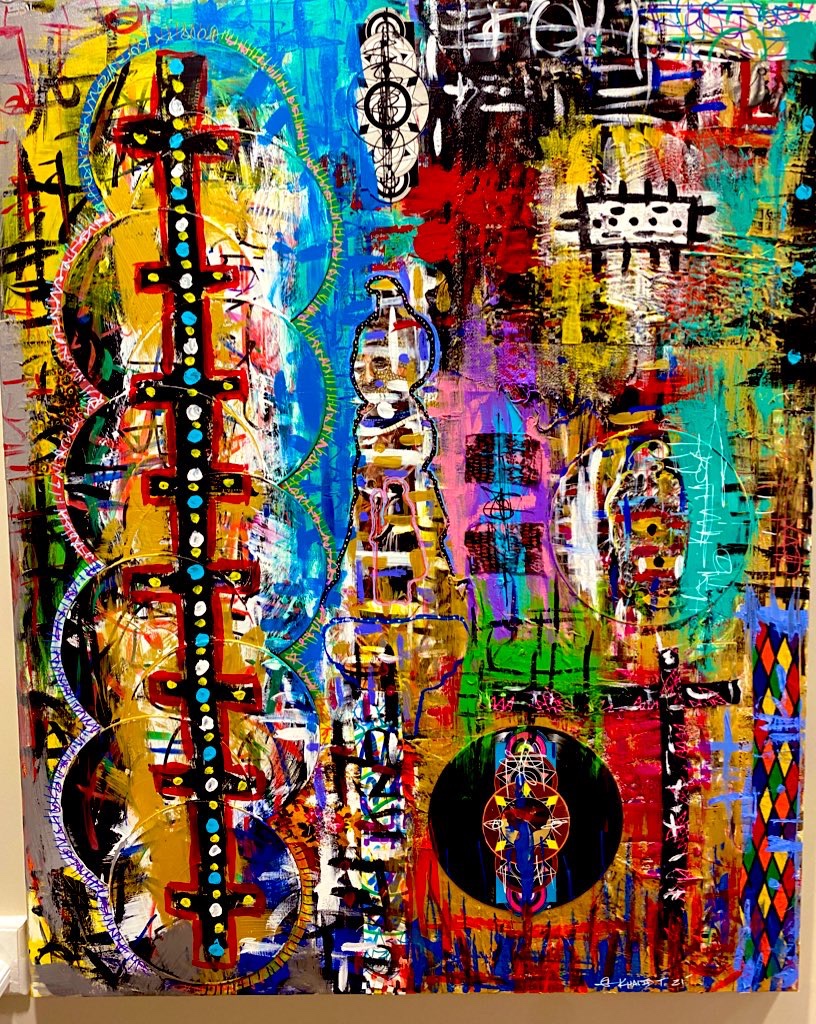

Myesha Francis
Kennedi Andrus
Khalid Thompson
Opens up spaces for the mind to contemplate its contents in the context of Afrofuturism. Thompson’s Gold Coast Records embeds silent sonic presence for the viewer. Myesha Francis and Kennedi Andrus’ lush uses of color and brush stroke evoke the beauty of the heart as it’s own form of consciousness.
Cheriyah Hill, Rodrecas Davis, and Ashley Firstley use collaging and new media art to enliven the use of photo and canvas with an Afrofuturist lens.
•Resting Place of Saints.

Khalid Abdel Rahman
The tombs of Sufi Saints by Khalid Abdel Rahman calls the presence and spiritual principles of ancient architecture into the present.
Upstairs Room

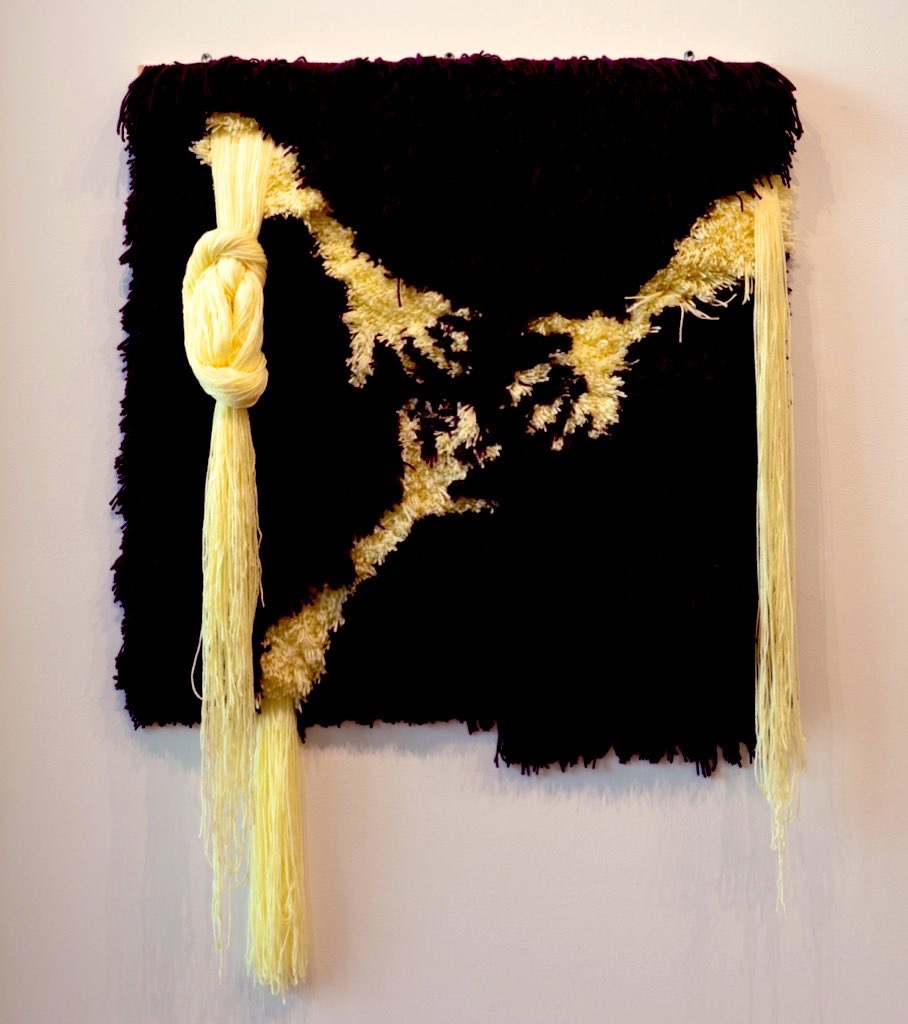

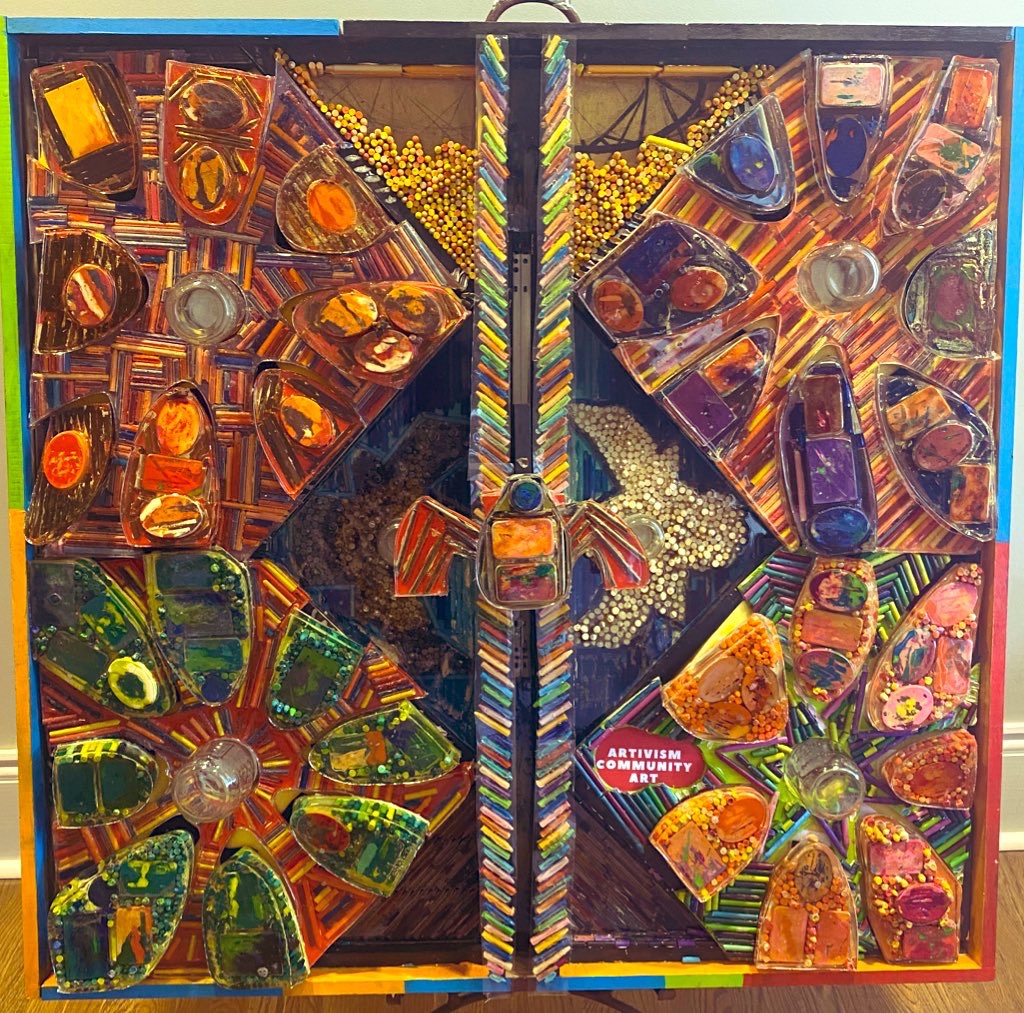


(Textile and Texture)
Cherice Harrison-Nelson is steeped in a West African rooted ceremonial dress art tradition, unique to African American communities in New Orleans. She is the third of five generations in her family to participate in the cultural legacy passed down from her late father, Big Chief Donald Harrison, Sr. She is the co-founder and curator of the Mardi Gras Indian Hall of Fame. Currently, the organization is working to protect intellectual property rights through the, “You Get Paid, I Get Paid” mutual respect and fair use campaign. Her original creations are held in the private collections of Jonathan Demme (Academy award-winning director – Silence of the Lambs), Wole Soyinka (first African Nobel Prize Laureate for literature) among others. Her aesthetic approach to her suits, in her words, represent an indigenous approach to minimalism in the masking tradition.
Schetuana Powell
Evokes the Ghanaian trickster deity, Anansi. In the Ghanian myth Anansi spins a golden thread to reach the heavens. There Anansi asks his father for the permission to bring the stories to humanity. In Sheppard’s iteration, Anansi, the figure, also holds the stories of many times, many families, many peoples. Anansi changes shape, changes stories, makes the necessary mischief to keep humanity innovative.
Eseosa Edibiri
“My work addresses a serious need for the representation of black and brown bodies translated into text and imagery and then used within textile-based work, such as weavings, latch hook, prints, and tufted pieces. The text utilized within my work is taken from conversations between myself and those dear to me being their most true selves who may be caught mid-laugh or in a captured playful pose.”
Bianca Walker
Developing an MFA thesis at the University of New Orleans Walker uses these drips as an integral part of their visual language while incorporating archival imagery of the African Diaspora activating a history they can see being erased.
Lance Minto Strauss
Give Me Liberty…evokes the death of Malcolm X. We have this piece amongst the deities to reflect the ability of one human life to transcend mortal constraints.
Didier Civil
Didier Civil was born in 1973 in Jacmel, Haiti, a southern coastal town renowned for its carnival celebrations. He developed an interest in papier mâché at a very young age and learned about this art forme by studying Lyonel Simonis, a master artist and pioneer of papier mache mask making. Civil is a celebrated artist and mask maker in his own right. Civil makes fantastical to realistic paper mache masks and costumes, larger than life portraits and imaginative animals.


LO-FI FOR YOUR MIND
MARYAM DE CAPITA AND THE WATER COLLECTORS:
The beating was intense for a couple of seconds before the door came down and the police were everywhere. They took me out the bedroom, cuffed, and made me kneel down in the living room. Corey was in the kitchen. I could see him from where I knelt, his face pressed into the tile. The officers stood around him, one with his foot placed squarely in Corey’s back.
“Do you want to be pepper-sprayed or shot motherfucker?” the officer asked with his shoe in Corey’s back. “We just gonna have a look around. Before we take you out of here. Keep still or we see how tough you are with your brains on the carpet.”
“What was she doing in there?” the blonde, blue-eyed cop asked.
“What’s it look like?” replied the one standing over me. He smirked, scratched his curly head. “Waiting to get fucked.”
The cop shined his bright ass light on my face, on my chest, my legs, and thighs. The light was everywhere. My throat and chest burned but I was still. So was Corey. Be still. They can kill you. And if they do, they will get away with it. Be still. They took Corey out the door. I kept my head down; tears in my throat. I didn’t know why they were there. Be still. There were no lights or sirens in the pre-dawn shadow. Be still, Kalo. Be still, I said to myself.
“Alright Pocahontas. I need to see your ID,” the curly -head policeman said, flicking one of my two braids behind my shoulder. “Kaloneeka Bagneris,” the officer read my name aloud.
They didn’t ask me much beyond that and let me go. Lucky for me they did not realize I lived there. The blonde one offered me a ride, his light still on my ass. I declined.
When the sun came up, I caught the bus over to Habibti’s. The store had been a part of my morning for years before I moved in with Corey; wake-up, cross the street and get coffee and a biscuit before school. I always had a little crush on Fadi, whose uncle owned the store. But when Corey opened a tattoo shop on top of it, whatever mild flirtations had taken place between us were put to an end.
Corey and I had moved to be away from it all. Besides the tattoo shop on top of Habibti’s, he also co-owned a barbershop and a rim-shop. Corey was doing well, which meant if he wanted to stay both alive and free, he had to be low-key. The apartment we found was cut from a generous portion of an antebellum home, a block off St. Charles Avenue. The house’s massive construction made us feel like giants. Corey was rarely there during the day and it was right up the street from my university. We watched birds for hours from the balcony on the gallery side of the apartment. Just the day before the police arrived, a red bird, a yellow bird and a blue bird lined up on a branch. Corey said it was unusual, almost unbelievable, that they got so close to each other.
Fadi was standing outside smoking a cigarette when I approached. His curly black hair was wild around his head like a halo; his beard so shiny it glittered. He was gorgeous in the sunlight.
“What’s up, Kalo?” Fadi said in his heavy voice.
“The entire world, I don’t know. Fadi, what the fuck? You know what happened last night?”
“Course, Kalo. Me and the entire city, baby, when they wake up. Look at this shit.” Fadi pointed to the copy of The Times Picayune, resting on top a vending machine full of the papers.
Corey and Xavier’s pictures were plastered across the front page. “The Two Most Dangerous Men in New Orleans” the headline read. My breath was gone. Fadi tossed his cigarette on the ground.
“They got Corey as the shooter, Kalo. Seventeen-shots. They say Xavier was driving.”
I picked up the paper again. There were several other articles on the front page discussing other aspects of the case besides the headline article I had read at Habibti’s. They were digging up all of Xavier and Corey’s family history. The reporter on television spoke of the long-standing ties between the St. Martins and the Jamesons. There was also a story on the local news about Cheryl Jameson, one of Corey’s second or third cousins. She was going on trial for some kind of fraud.
“What do they mean, how did Cheryl post her bond?” I asked Fadi. “She has a job.”
“You know how they do, Kalo. They try to connect all the dots. And the ones they can’t they make it up.”
“I think I’m going to be sick, Fadi. I don’t have anywhere to go. I can’t go back to that apartment. ”
“Don’t trip, you know you can stay with me. But, brace yourself, Kalo. You ain’t seen nothing yet.”



 Kristina Kay Robinson